Expansion of Mixed-Use Developments Outside Metro Manila
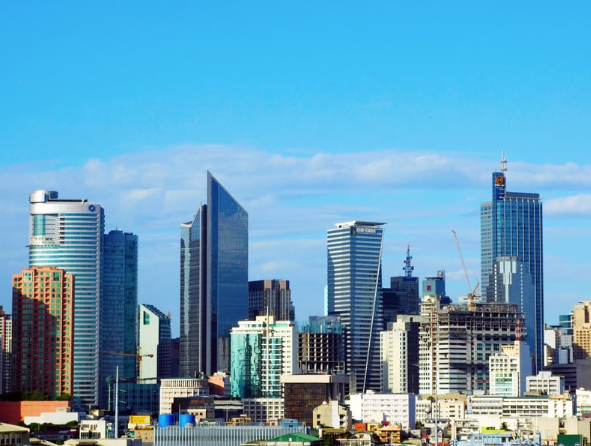
PROLIFERATION OF MIX-USED DEVELOPMENTS OUTSIDE METRO MANILA
In recent years, the proliferation of office and residential hubs outside Metro Manila, the capital region of the Philippines, has become a notable trend. This shift is driven by several factors, including the need to decongest the overcrowded metropolis, the rise of remote work and digital technologies, and government policies promoting regional development.
Economic DecentralizationThe government, along with private developers, is actively pursuing economic decentralization to spread economic activity more evenly across the archipelago. This is evident in the development of new business districts and economic zones in key provinces such as Cavite, Laguna, Batangas, Pampanga, and Bulacan. These areas have seen significant investments in infrastructure, including new roads, airports, and port facilities, making them more accessible and attractive for businesses.
Improved InfrastructureKey infrastructure projects, such as the North Luzon Expressway (NLEX), South Luzon Expressway (SLEX), and the ongoing Manila-Clark High-Speed Rail project, are critical to this transformation. These projects enhance connectivity between Metro Manila and surrounding provinces, making it feasible for businesses and residents to relocate outside the congested capital.
Real Estate DevelopmentThe real estate sector has responded robustly to the shift, with major developers creating integrated townships that offer both residential and commercial spaces. Developments like Clark Green City in Pampanga and Nuvali in Laguna offer modern amenities, green spaces, and sustainable living options that attract both businesses and families seeking a better quality of life.
Growth of Secondary CitiesCities such as Clark in Pampanga, and Cebu and Davao in the Visayas and Mindanao regions, respectively, are rising as alternative urban centers. These cities are experiencing growth due to their strategic locations, availability of skilled labor, and supportive local governance. Consequently, they are becoming focal points for outsourcing and Information Technology-Business Process Management (IT-BPM) sectors, among others.
Societal ShiftsThe shift to remote and flexible work arrangements, accelerated by the COVID-19 pandemic, has reduced the necessity for proximity to traditional business districts. This has empowered more people to consider relocating to suburban and provincial areas where housing is often more affordable, and the quality of life is perceived to be higher.
Challenges and Future DirectionsWhile the trend of moving outside Metro Manila is promising, it also presents challenges, such as the need for adequate infrastructure, services, and governance in new growth areas. The ongoing commitment of both the government and private sector to address these issues will be crucial to sustaining and leveraging this trend.
Overall, the proliferation of office and residential hubs outside Metro Manila reflects a broader transformation in the Philippines’ urban landscape, driven by changing economic, technological, and social dynamics. This trend offers an optimistic outlook for balanced regional development, potentially alleviating the pressures faced by the national capital while stimulating growth across the nation.
Ready to Find Your Perfect Property?
IQI Global understands the property market intimately. We're not just agents — we're guides helping you understand investment potential, lifestyle benefits, and long-term value.
Know the author
Unlock Exclusive Insights
Subscribe to our emails to find out about the latest market insights, property news and trends.
Ready to Find Your Perfect Property?
IQI Global understands the property market intimately. We're not just agents — we're guides helping you understand investment potential, lifestyle benefits, and long-term value.
You may also like