Comprehensive Guide to Rent a House as a University Student


Renting a house as a university student in Malaysia can be a challenging yet rewarding experience. You need to have some preparation before you move into your accommodation.
Whether you plan to walk, drive, or use public transport, understanding your travel needs until signing the tenant agreement is essential for choosing a suitable accommodation.
This comprehensive guide will walk you through everything you need to know about renting a house as a university student in Malaysia, ensuring you make the best choice for your needs and lifestyle.
5 Steps to Rent a House as a University Student
- Step 1: Understanding Your Daily Travel Routine
- Step 2: Conducting Market Research
- Step 3: Comparing and Filtering Accommodation
- Step 4: Contacting Agents and Viewing Rooms
- Step 5: Finalizing Your Decision
- Tips After Renting a House
Before You Start: Timing and Your Real Monthly Budget
When should you start looking for student accommodation?
Start searching around January or February if you are planning for the next academic period.
Student areas clear out fast. The units with the best price, condition and walking distance are usually taken by the people who looked first.
Leaving it to the last few weeks before the semester means you choose from whatever is left, usually at a worse price or a longer commute.
What does renting actually cost you each month?
Rent is only the headline number. Your real monthly cost includes everything it takes to live there.
Cost | When you pay it | What students underestimate |
|---|---|---|
Rent | Monthly | Your share, not the whole unit price |
Electricity and water | Monthly | Air conditioning during hot months |
Internet | Monthly | Contract length and who signs for it |
Transport | Monthly | Fuel, parking, tolls or transit passes |
Food and daily needs | Monthly | Eating out when the kitchen is shared |
Deposits and advance rent | Upfront | Usually two to three months of cash in one go |
A unit with utilities included in the rent is often worth a slightly higher monthly price. One fixed number means no month-end argument over who ran the aircon, and no chasing housemates for their share of a bill.
If utilities are not included, agree on how bills are split before anyone moves in, not after the first bill arrives.
Step 1: Understanding Your Daily Travel Routine
a) Walk to the University

Walking to your campus can be a healthy and cost-effective option, but it is crucial to consider the distance and potential challenges.
Renting a house near your university can save you time and energy. However, it would be best to prepare for unforeseen circumstances like bad weather, which can make walking inconvenient.
Unpredictable weather can disrupt your routine and affect your punctuality.
Additionally, consider the physical demands; walking long distances can be exhausting and impact your energy levels for classes, especially under hot and humid weather conditions.
It is essential to consider your health and any physical limitations before you plan to do so. If you have any health issues, it might be wise to look for other options.
b) Driving to the University

If you plan to drive, you have more flexibility in choosing your accommodation. Renting a house slightly farther from your university might be feasible with a car.
However, while driving offers convenience, it's crucial to consider potential drawbacks such as heavy traffic jams during peak hours, road accidents, road maintenance, and unexpected car breakdown issues.
Ensure you account for travel time and unexpected delays. Owning a car offers flexibility but requires you to be diligent about upkeep and punctuality to avoid being late for classes.
Always plan your travel time and have a backup plan in case of car problems. Do remember to factor in fuel expenses, parking, and car maintenance.
c) Using Public Transportto the University

Public transport is an excellent choice for reducing carbon emissions and saving money. It’s eco-friendly, cost-effective, and avoids the hassles of driving.
However, it requires meticulous planning and punctuality. Familiarize yourself with the schedules and routes of buses, LRT, or MRT, and know the travel time, number of stations, and any necessary transfers.
Missing a bus or train can disrupt your entire day, so always have a backup plan for delays. Proper preparation and knowing your journey details can ensure a smooth commute and timely arrival.
Step 2: Conducting Market Research
a) Rental Prices

Conducting thorough market research is vital for university students to find suitable houses to rent. Start by understanding rental prices in various areas, as these can vary significantly depending on location and amenities.
Student-focused accommodation might be more affordable, while exclusive neighborhoods may be pricier due to their amenities.
Proximity to universities or public transport can also affect rental costs, with closer areas being more expensivebut offering greater convenience.
Conversely, areas farther away might be cheaper but involve added travel time and expenses. Understanding these variations will help you find a good deal that suits your needs and budget.
b) Types of Room, Facilities, and Amenities
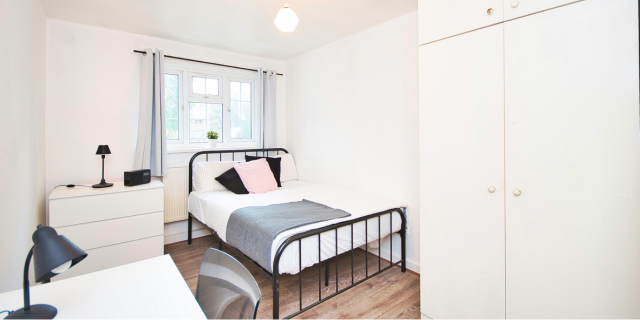
Research the facilities and amenities offered by the accommodations. Look for features such as swimming pools, gyms, study rooms, or badminton courts.
Determine whether the place is fully furnished, partially furnished, or unfurnished, as a fully furnished unit can save you the hassle of buying furniture.
It's also essential to understand the room layout, which typically includes small, medium, and master rooms. Small and medium rooms often share a bathroom, while master rooms have private bathrooms.
Additionally, consider the proximity to amenities like grocery stores, shopping malls, and public transport, as these can significantly enhance your daily convenience.
Comparing different locations and their amenities will help you find the best fit for your lifestyle and budget. Use online platforms such as IQI Global or rental groups to gather insights and make informed decisions.
Room size should decide rent share, not a straight split. A master room with a private bathroom is not worth the same as a small room sharing a bathroom with two people.
Agree the split before signing. A common approach is that the smallest room pays the lowest share, the master room pays the highest, and the total still adds up to the rent stated in the tenancy agreement.
Settling this early prevents the single most common housemate argument of the semester.
c) IQI Global

IQI Global allows university students to find suitable accommodation for the best rental experience.
Whether you're looking for a cozy studio near campus or a shared apartment with friends, our platform offers a wide range of options to suit your needs and budget.
With user-friendly search features, detailed property listings, and secure booking processes, you can easily find the perfect place to call home during your studies.
Plus, our dedicated support team is always available to assist you with any questions or concerns, ensuring a smooth and hassle-free rental experience.
Click here to view the IQI Global page
Relevant Articles:
2. Moving House Tips: A Step-by-Step Guide on How to Move House from A-to-Z
Step 3: Comparing and Filtering Accommodation

a) Criteria for Comparison
After identifying potential accommodations, compare the top optionsbased on price, location, amenities, etc.
Consider the strategic factors such as proximity to shopping malls, public transport, and restaurants. Narrow down your choices to the top five accommodations that meet your criteria.
b) Making a Shortlist
Create a shortlist of your best five desired houses and prepare for the next steps. This list will help you stay organized and focused during the viewing and decision-making.
Step 4: Contacting Agents and Viewing Rooms

a) Making Appointments
Contacting agents and arranging room viewings is crucial for making an informed decision. Seeing the rooms in person allows you to assess their size, condition, and suitability.
If you intend to share the accommodation with friends, bring them along for the viewing to ensure everyone is satisfied. It's better to view multiple options rather than settling on the first one you see.
b) Questions to Ask
During the property viewing, ask about rental agreements, extra fees, maintenance procedures, available amenities, property facilities, and the surrounding area.
Raise any questions or concerns and ensure you understand your tenant's obligations.
What to Check Inside the Unit
Once you are inside, look past the furniture and check where your bedroom actually sits in the layout.
- Rooms next to the main door, living room or kitchen are the noisy ones. Expect late-night TV, cooking and people coming and going.
- Ground floor rooms in a landed house usually get more foot traffic and less privacy than upstairs rooms.
- Check what is on the other side of your wall. A shared bathroom, a washing machine or a lift lobby will follow you into your study hours.
- Open the windows. Road noise, a nearby mamak or a car park changes how the room feels at 11pm.
If you are renting with friends, do this walkthrough together so nobody feels shortchanged after the keys are handed over.
c) How Do You Avoid a Rental Scam?
Never pay a holding deposit, booking fee or first month's rent before you have physically viewed the property.
Most student rental scams follow the same script. Attractive photos, a price below the going rate in that area, and pressure to transfer a deposit today to secure the unit.
Protect yourself with four checks:
- View the unit in person, or send someone you trust if you are still in your home state.
- Ask for the agent's REN or REA tag and confirm the agency is registered with BOVAEP. Licensed agents will show it without hesitation.
- Be suspicious of rent that sits far below everything else in the same building or neighbourhood.
- Get a receipt for every payment, and keep the transfer record. Cash with no paper trail is how deposits disappear.
Photograph everything on the day you move in. Walls, floors, the mattress, the aircon, the kitchen, existing scratches and stains, and every item on the furniture list.
Then put it in writing. Prepare a simple inventory listing the condition of the property and its contents, have both you and the landlord or agent sign it, and email a copy so there is a dated record.
Six or twelve months later, that signed record is the difference between getting your deposit back and paying for damage you never caused.
Step 5: Finalizing Your Decision
a) Room Select and House Inspection
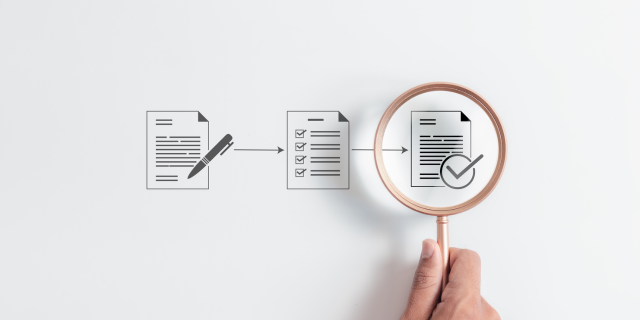
Once you’ve viewed the rooms and weighed your options, it’s time to select the best fit.
Carefully consider all aspects, including the room and house conditions, and choose the option that best suits your needs and budget.
Before you move in, thoroughly inspect the property to ensure everything is in good condition.
Report any issues with furniture or appliances to the agent to avoid future misunderstandings. Taking these steps will help ensure a smooth and satisfactory rental experience.
b) Signing the Tenant Agreement

Before signing the tenant agreement, view it carefully to ensure all terms and conditions, including your name, identification number, address, rental price, rental period, furniture listing, and security and utility deposit amounts, are correct.
After signing, promptly clear all payments and request receipts from the landlord to avoid any future misunderstandings. Keep a copy of the tenant agreement for future reference.
Congratulations! You have successfully rented a house as a university student in Malaysia!
c) Clauses Students Usually Skip
Read the full agreement before signing, not just the parts with your name on them. Pay attention to:
- Rent frequency and due date. Monthly is standard, but confirm the date and the accepted payment method.
- Tenancy duration and the notice period. Most Malaysian tenancies run one year with a two month notice requirement.
- Early termination. Ask what happens if you graduate early, transfer campus or go on exchange. This is the clause that costs students the most.
- Deposit deductions and return timeline. The agreement should state what can be deducted and how many days after move-out the balance is returned.
- Repairs. Clarify which repairs are the landlord's responsibility and which small ones fall on you.
- Stamping. A stamped tenancy agreement is admissible as evidence in court. Confirm who pays for stamping and that it is done.
c) Is Your Deposit Protected in Malaysia?
Not by a scheme, no. Unlike the UK or Australia, Malaysia has no government-approved tenancy deposit protection scheme. The proposed Residential Tenancy Act, which is expected to regulate deposit limits, deductions and return timelines, is still in draft and has not been tabled in Parliament.
Until that changes, your protection is the paperwork you create:
- A written, stamped tenancy agreement that states the deposit amount and what it covers.
- A clause spelling out permitted deductions and the return period.
- Receipts for the security deposit, utility deposit and advance rent.
- The signed move-in inventory and dated photos from the step above.
Standard practice in Malaysia is two months of rent as the security deposit and half a month as the utility deposit, plus one month of advance rent. Deposits are typically returned within 14 days after the tenancy ends, but only if your agreement says so.
Tips After Renting a House

a) Maintaining the Property
Once you move in:
- Take care of the house and its facilities.
- Divide responsibilities among housemates to keep the space clean and safe.
- Promptly report any issues to the landlord.
b) Timely Payments
- Always pay your rent before the deadline to avoid penalties.
- Keeping a good relationship with your landlord can be beneficial in the long run.

Renting a house as a university student in Malaysia can be a smooth and rewarding experience with the right approach.
C) Getting Your Deposit Back
- Give notice in writing, in line with the notice period in your agreement.
- Clean the unit and repair anything you damaged before the final inspection.
- Walk through the unit with the landlord or agent, with your move-in photos and signed inventory in hand.
With this comprehensive guide, you’ll be well-prepared to find a comfortable and convenient place that meets your needs and enhances your academic experience. Happy house hunting!
How much deposit do I need to rent a house in Malaysia?
Standard practice is two months of rent as security deposit, half a month as utility deposit, and one month of advance rent, so expect roughly three and a half months of rent upfront.
Should I pay a deposit before viewing the property?
No. View the unit in person first, or send someone you trust. Paying a holding deposit for a property you have never seen is the most common way students lose money to rental scams.
Is it cheaper to rent a room with utilities included?
Not always cheaper, but easier to budget. A fixed all-in rent removes bill-splitting disputes and gives you one predictable number each month.
Are you looking for a house to rent? We got you! Drop your information below and our representative will approach you as soon as possible!
[hubspot portal="5699703" id="acf7e2e4-aec7-4973-b855-ddc53335307e" version="undefined" type="form"]
Continue Reading:
Ready to Find Your Perfect Property?
IQI Global understands the property market intimately. We're not just agents — we're guides helping you understand investment potential, lifestyle benefits, and long-term value.
Know the author
As a SEO Content Writer at IQI Global, he collaborates with a team of content and SEO professionals to produce high-quality content for IQI and Juwai websites of the real estate industry.
Unlock Exclusive Insights
Subscribe to our emails to find out about the latest market insights, property news and trends.
Ready to Find Your Perfect Property?
IQI Global understands the property market intimately. We're not just agents — we're guides helping you understand investment potential, lifestyle benefits, and long-term value.
You may also like