How Industrial Growth Is Reshaping Malaysia’s Property Market in 2027


TL;DRNAPIC recorded 3,932 industrial transactions worth RM14.78 billion in H1 2026. Johor’s industrial expansion also supports nearby housing and services. For 2027, Rahim & Co's Siva Shanker favors tenant-led development as new industrial space enters the market. |
Picture a new factory opening beside a busy highway. Trucks arrive, workers find jobs, and even the lunch shops get busy. Nearby homes attract fresh interest too. That pattern is already visible around Johor's expanding industrial corridors.
But will every warehouse do the same? Here's what the numbers say about the Malaysia industrial property market outlook for 2027, from demand and rents to housing and oversupply.
Key Takeaways
- NAPIC recorded 3,932 industrial property deals worth RM14.78 billion in H1 2026, representing 14.1% of total Malaysian property transaction value.
- Johor, Selangor and Penang have distinct demand engines: data centers and cross-border activity, logistics and manufacturing, and electrical and electronics production, respectively.
- Industrial jobs can drive housing demand, yet Johor had 4,222 unsold residential units completed in H1 2026. EdgeProp.my lists nearly 115,000 Johor homes scheduled by 2030.
- Industrial property prices and rental yields vary considerably by building type and area. JPPH-registered Selangor terrace factories had a median sale price of RM1.1 million and a median registered rent of RM3,500 a month in the 24 months to July 2026.
- Warehouse oversupply is a real watchpoint for 2027. Rahim & Co's Siva Shanker said in March 2026 that approximately 12 million sq ft of warehouse space is coming in over two years.
Malaysia Industrial Property Market for 2027 in a Glance
- 1. What Is Malaysia's Industrial Property Market Outlook for 2027?
- 2. What Is Driving Industrial Property Growth in Malaysia?
- 3. Where Are the Best Industrial Property Investment Locations in Malaysia?
- 4. What Are Malaysia's Industrial Property Prices and Rental Yields?
- 5. How Does Industrial Growth Affect Malaysia Property Prices and Housing Demand?
- 6. How Are Data Centers, Green Warehouses and Modern Factories Changing Demand?
- 7. What Risks Could Affect Malaysia's Industrial Property Market in 2027?
- 8. Frequently Asked Questions (FAQs)
Estimated reading time: 12 minutes
1. What Is Malaysia's Industrial Property Market Outlook for 2027?
The Malaysia industrial property market outlook for 2027 reflects active transactions and a growing development pipeline.
Rahim & Co's Siva Shanker describes the near-term industrial market as positive, expects organic and progressive growth, and urges developers to secure occupiers before building. The growing warehouse supply will take time to fill.
a. How did the industrial market perform in 2025 and H1 2026?
NAPIC logged 8,910 industrial deals worth RM33.80 billion in 2025, up 21.3% in value and 1.4% in volume. Selangor contributed RM15.01 billion and Johor RM9.57 billion.
Its latest H1 2026 industrial figures totaled 3,932 transactions worth RM14.78 billion. Industrial property made up 2.1% of Malaysia's 187,320 property transactions and 14.1% of the RM105.12 billion total transaction value. Overall property transaction volume fell 4.5%, and value declined 2.4% year on year.
Industrial property indicator | Recorded period | Figure |
|---|---|---|
National transaction value | Full-year 2025 | RM33.80 billion |
National transaction value growth | 2025 vs 2024 | +21.3% |
National transaction volume | Full-year 2025 | 8,910 deals |
Industrial transactions | H1 2026 | 3,932 deals |
Industrial transaction value | H1 2026 | RM14.78 billion |
Industrial share of national property value | H1 2026 | 14.1% |
Existing industrial property inventory | H1 2026 | 126,727 units |
Incoming industrial property inventory | H1 2026 | 4,512 units |
b. What will shape demand through 2027?
The H1 2026 industrial inventory counted 126,727 existing units and 4,512 incoming units. Construction started on 1,038 units, up 26.1% from H1 2025.
Build-to-suit industrial facilities are one answer to changing tenant needs. For 2027, Siva Shanker's preferred approach starts with a committed occupier and builds to that company's requirements, including power, layout, and operational needs.
2. What Is Driving Industrial Property Growth in Malaysia?
Manufacturing investment, e-commerce logistics, and data centers drive demand. Factories need technical facilities, distributors need highway access, and data centers need dependable power and water.
a. How do manufacturing and foreign investment support demand?
Manufacturers need production space and supplier networks. Electrical and electronics (E&E) drive the northern manufacturing corridor; Johor attracts investment in semiconductors and advanced materials.
The Malaysian Investment Development Authority (MIDA) recorded RM218.5 billion in approved investments in H1 2026. Selangor received RM70 billion and Johor RM59.4 billion, for a total of RM129.4 billion.
b. Why do e-commerce and logistics matter?
Every online order needs storage and sorting. Fulfillment centers and distribution hubs depend on highway access, loading bays, and proximity to customers and ports.
c. What does Budget 2027 change?
Knight Frank Malaysia identified several Budget 2027 industrial measures, including a RM100 million Strategic Investment Fund supporting semiconductor and manufacturing companies in Penang, eligible relocation-cost tax deductions of up to RM5 million for maritime and automotive hubs in Perak, and infrastructure support for Malaysia Vision Valley 2.0 and Kulim Hi-Tech Park. The consultancy emphasized timely implementation.
3. Where Are the Best Industrial Property Investment Locations in Malaysia?
Industrial property investment locations in Malaysia serve different occupiers. Selangor offers an established logistics and manufacturing base; Johor combines cross-border trade, data centers, and industrial expansion; Penang and nearby Kedah cater to electronics and high-tech manufacturing.
a. Why is Selangor important for industrial investment?
Klang, Shah Alam, and Port Klang connect manufacturers and warehouses to cargo routes. Selangor recorded 3,179 industrial deals worth RM15.01 billion in 2025, the largest state value in the NAPIC breakdown.
b. What makes Johor's growth corridors different?
Senai, Kulai and Sedenak attract manufacturers, data centers and logistics firms. Pasir Gudang and Tanjung Langsat host port-linked industries; the Johor-Singapore Special Economic Zone (JS-SEZ) supports cross-border investment. Johor's industrial transactions totaled RM9.57 billion in 2025.
c. What about Penang, Kulim and emerging corridors?
Penang's electronics industry supports specialist factories. Nearby Kulim Hi-Tech Park and Negeri Sembilan's Vision Valley 2.0 also feature in Budget 2027 industrial measures.
Corridor | Leading demand engine | 2027 consideration |
|---|---|---|
Selangor: Klang–Shah Alam | Manufacturing, warehousing, port logistics | New warehouse supply |
Johor: Senai–Kulai–Sedenak | Data centers, manufacturing, logistics | Power availability and project delivery |
Johor: Pasir Gudang–Tanjung Langsat | Port industries, chemicals, advanced materials | Fit between site and industrial user |
Penang–Kulim | E&E and semiconductor manufacturing | Specialist buildings and utilities |
Negeri Sembilan: Vision Valley | Expanding industrial and logistics corridor | Timing of infrastructure and occupiers |
For a closer look at properties in these corridors, IQI Global can help you explore available residential opportunities.
4. What Are Malaysia's Industrial Property Prices and Rental Yields?
Malaysia industrial property prices and rental yields vary by factory type, location, building specifications, and tenant demand.
a. What do registered factory prices and rents show?
FactoryHub's analysis of JPPH-registered property sales and tenancies in the 24 months to July 2026 offers a practical comparison across factory types and locations.
Area and factory type | Median sale price | Median monthly rent |
|---|---|---|
Selangor, terrace | RM1.10 million | RM3,500 |
Selangor, semi-detached | RM4.70 million | RM12,700 |
Klang and Port Klang, terrace | RM869,000 | RM3,500 |
Petaling district, terrace | RM1.45 million | RM4,500 |
Negeri Sembilan, terrace | RM629,000 | RM2,100 |
b. How do you calculate a factory's rental return?
Gross rental yield is annual rental income divided by the purchase price, multiplied by 100. Selangor's recorded terrace factory median rent of RM3,500 per month amounts to RM42,000 across 12 months of occupancy. For a single property, net yield uses its purchase price plus acquisition costs, and deducts vacancy, quit rent, assessment, insurance, and repairs from annual rental income.
c. How does industrial ownership compare with other assets?
Factory ownership offers site control and potential land appreciation, but it also requires capital and tenant management. A real estate investment trust (REIT) allows investors to own traded units in a managed property portfolio. FactoryHub cites an estimated dividend yield of around 5% for Axis REIT in August 2026 and about 5.2% for AME REIT, based on its March 2026 unit price.
If you want to compare house types or investment locations, IQI Global is an option for exploring Malaysian property opportunities.
5. How Does Industrial Growth Affect Malaysia Property Prices and Housing Demand?
Industrial employment growth can increase nearby housing demand as workers seek homes and services. Transport access and affordability influence which neighborhoods benefit.
a. How are Johor's industrial jobs changing housing demand?
EdgeProp.my tracks 609 Johor projects delivering nearly 115,000 homes by 2030, including 244 projects and about 70,460 homes in Johor Bahru. Drivers include manufacturing, data centers, logistics, the JS-SEZ, and the RTS Link.
Johor is targeting over 200,000 jobs by 2030, including over 100,000 higher-paying JS-SEZ roles. Workers near Senai, Kulai and Sedenak support family housing; cross-border commuters support compact rentals in Johor Bahru.
b. What do the latest housing and price figures show?
NAPIC counted 33,094 completed unsold residential units worth RM17.78 billion in H1 2026, including 4,222 units in Johor. Separately, Johor had 9,946 of Malaysia's 23,375 unsold completed serviced apartments.
In provisional Q2 2026 figures, Johor's house-price index rose 3.6% year on year, against national growth of 0.9%. Selangor declined 1.1%, and Penang rose 0.2%.
c. Could Penang's semiconductor industry influence residential demand?
Nawawi Tie Leung's Saleha Yusoff highlighted RM22.4 billion in Penang manufacturing investment approvals in 2025, expected to create about 24,600 jobs. She called for improvements to housing and transport along employment corridors.
d. Why are workers' accommodation projects becoming relevant?
Purpose-built workers' accommodation (PBWA) is becoming an established property category linked to manufacturing, logistics and construction employment. Knight Frank's regional living-sector research, reported by The Edge Malaysia, highlighted Centurion Corporation's acquisition of six Johor worker-accommodation properties, adding approximately 7,200 beds to its portfolio.
6. How Are Data Centers, Green Warehouses and Modern Factories Changing Demand?
Modern industrial properties need reliable utilities and practical layouts for manufacturing, distribution or AI data-center operations.
a. Why are build-to-suit projects gaining attention?
Build-to-suit facilities are planned around a named occupier's requirements. Siva Shanker of Rahim & Co advises developers to “Secure tenants first,” then build facilities around the tenant's operations. This approach addresses the speculative construction risk he identified in Malaysia's industrial market.
b. What makes green warehouses attractive?
JLL’s Junn Yan Tai reports that green-certified warehouses achieved 30% faster occupancy than conventional facilities in November 2025.
It reported that several green-featured developments completed in 2024 exceeded 90% occupancy within 12 months, while green certification covered only 5%–10% of Klang Valley logistics stock at the time. Features such as efficient lighting, solar panels, and water-saving systems are increasingly relevant to multinational occupiers.
c. Why do data-center utilities matter?
Data centers need dependable power and cooling, including grid connections and sufficient water. In Johor's growing clusters, confirmed utility readiness drives site suitability.
If you are exploring property investment opportunities, contact IQI Global about available options.
7. What Risks Could Affect Malaysia's Industrial Property Market in 2027?
The main industrial property investment risks for 2027 center on new supply, infrastructure capacity, building suitability, and external trading conditions. National demand can stay healthy while individual projects struggle to find occupiers.
a. Can warehouse supply outpace tenants?
NAPIC reported 1,038 industrial construction starts in H1 2026, up 26.1% year on year, with 631 newly planned units, up 27.2%.
Rahim & Co's Siva Shanker separately identified 12 million sq ft of warehouse space due to enter the market over the two years following March 2026, including roughly 10 million sq ft around Shah Alam. New completions can increase competition for tenants and lengthen leasing periods. He prefers demand-led industrial construction over building large parks in anticipation of tenants.
b. What could slow industrial projects?
Power allocation, water supply, and building obsolescence can undermine otherwise attractive sites. Older units with limited loading space or unsuitable specifications compete with modern facilities. Trade-policy changes and geopolitical uncertainty can also influence manufacturing decisions.
c. What should buyers and investors watch next?
For 2027 industrial property opportunities, Hartamas Research highlights four site considerations: confirmed power allocation, land-title readiness, nearby industry clusters and infrastructure timing. Raine & Horne also highlights access, building specifications, and tenant quality as key investment factors.
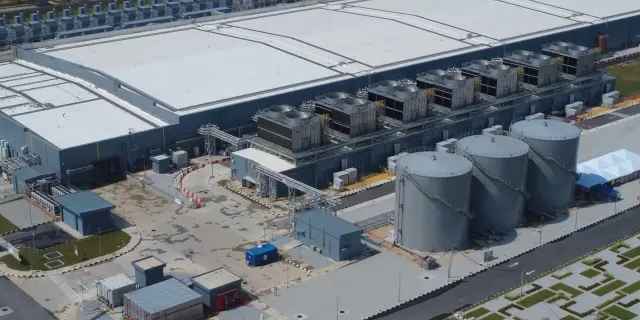
NAPIC's RM14.78 billion in H1 2026 industrial transactions shows the sector's growing role in Malaysia's property market. Manufacturing, logistics and data centers support specialized premises and housing near employment centers.
With new industrial construction and unsold homes competing for occupiers and buyers, the 2027 outlook favors sites linked to real businesses, suitable utilities and practical transport connections.
8. Frequently Asked Questions (FAQs)
a. What is Malaysia's industrial property market outlook for 2027?
NAPIC counted 3,932 industrial transactions worth RM14.78 billion in H1 2026. Rahim & Co's Siva Shanker expects organic, progressive near-term growth and recommends tenant-led projects as new warehouse supply arrives.
b. Is industrial property a good investment in Malaysia in 2027?
Industrial property investment can suit buyers seeking business tenants and long holding periods. Building specifications, utility access, tenant credit quality, and acquisition costs shape the investment decision.
c. Which locations have the strongest industrial property opportunities?
Klang–Shah Alam, Senai–Kulai–Sedenak and Penang–Kulim serve established logistics, data-center and electronics manufacturing clusters, respectively.
d. How do data centers affect Johor property demand?
Johor data-center investments support construction and technical employment around Kulai and Sedenak, while local businesses and households need housing and services nearby.
e. Will industrial growth increase nearby residential property prices?
Johor's provisional Q2 2026 house-price index increased 3.6% year on year, while NAPIC counted 4,222 completed unsold residential units in H1 2026. Industrial jobs support demand near employment hubs.
f. What rental yields can industrial property generate in Malaysia?
Industrial rental yield is calculated from a property's rent and acquisition price. FactoryHub's registered figures show a median rent of RM3,500 per month for a Selangor terrace factory over the 24 months to July 2026; ownership costs and vacancies reduce net income.
g. What are the biggest risks in 2027?
NAPIC counted 1,038 industrial construction starts in H1 2026, up 26.1% year on year. Additional risks include inadequate power or water, older buildings, and changes in global trade conditions.
Explore Malaysia's industrial property opportunities with IQI Global. Contact the team to discuss suitable locations, factories, warehouses and investment options.
[custom_blog_form]
Continue Reading
- List of 10 Award-Winning Real Estate Agencies in Malaysia With International Listings
- Budget 2027 Property Market Outlook: Should You Buy or Invest in Malaysia?
- Indonesia Global Market Insights: Prices, Yields & Outlook 2026
References
- Adrian Hassett Auctioneers. (n.d.). How local employment opportunities can influence property values over time. adrianhassett.com. Retrieved from http://adrianhassett.com/blog/property-net-news/how-local-employment-opportunities-can-influence-property-values-over-time
- Arul, V. (2026, March 2). Demand for industrial real estate holds steady despite rising supply. The Star. Retrieved from https://www.thestar.com.my/business/business-news/2026/03/02/demand-for-industrial-real-estate-holds-steady-despite-rising-supply
- Beatty, G. H. (2026, October 9). Budget 2027 measures could spur property market, says Knight Frank. The Malaysian Reserve. Retrieved from https://themalaysianreserve.com/2026/10/09/budget-2027-measures-could-spur-property-market-says-knight-frank/
- Hartamas Research. (2026, August 6). Malaysia industrial property market 2026: Why the boom is real but no longer uniform. Hartamas Industrial. Retrieved fromhttps://industrial.hartamas.com/industrial-property-malaysia-2026-market-outlook/
- Hassan, H. (2026, October 4). Johor adds 115,000 homes to meet demand fuelled by industrial, RTS, JS-SEZ. EdgeProp.my. Retrieved from https://www.edgeprop.my/content/1917690/johor-adds-115000-homes-meet-demand-fuelled-industrial-rts-js-sez
- Jabatan Penilaian dan Perkhidmatan Harta. (2026, September 10). Sorotan laporan pasaran harta separuh pertama 2026. National Property Information Centre (NAPIC). Retrieved fromhttps://napic.jpph.gov.my/storage/app/media//3-penerbitan/Shahrul/SnapShot/Q2%202026/SOROTAN_H1%202026_BM.pdf
- Mahalingam, E. (2026, August 10). Industrial market shifts towards specialisation. The Star. Retrieved from https://www.thestar.com.my/business/business-news/2026/08/10/industrial-market-shifts-towards-specialisation
- Property Guru. (2026, June 10). Industrial property in Malaysia 2026: Key investment outlook. Retrieved from https://www.propertyguru.com.my/property-guides/industrial-property-malaysia-2026-78303
- Raine & Horne International Zaki + Partners Sdn. Bhd. (2026, June 25). Industrial property Malaysia 2026: Types, demand and risks. Retrieved from https://raineandhorne.com.my/industrial-property-malaysia-2026/
- Tai, J. Y. (2025, November 11). ESG transforms Malaysia's industrial and logistics market. JLL. Retrieved fromhttps://www.jll.com/en-in/insights/esg-transforms-malaysias-industrial-and-logistics-market
- Tan, P. (2026, October 18). Industrial property rental yield Malaysia 2026 by area. FactoryHub. Retrieved from https://www.factoryhub.my/en/blog/factory-rental-yield-vs-reit-dividend-klang-2026
- The City & Country Team. (2026, October 6). Property players look beyond homeownership in Budget 2027 wish list. The Edge Malaysia. Retrieved fromhttps://theedgemalaysia.com/node/819975
- Wong, K. W. (2026, September 16). Malaysia’s living sector assets maturing. The Edge Malaysia. Retrieved from https://theedgemalaysia.com/node/816797
Ready to Find Your Perfect Property?
IQI Global understands the property market intimately. We're not just agents — we're guides helping you understand investment potential, lifestyle benefits, and long-term value.
Know the author
As a SEO Content Writer at IQI Global, he collaborates with a team of content and SEO professionals to produce high-quality content for IQI and Juwai websites of the real estate industry.
Unlock Exclusive Insights
Subscribe to our emails to find out about the latest market insights, property news and trends.
Ready to Find Your Perfect Property?
IQI Global understands the property market intimately. We're not just agents — we're guides helping you understand investment potential, lifestyle benefits, and long-term value.
You may also like
Indonesia Global Market Insights: Prices, Yields & Outlook 2026

Why Kuching Is Becoming One of Malaysia’s Cities to Watch in 2027